



What is a reading challenge?
Many of us were introduced to fun reading challenges through our local libraries during summer vacations, but the importance of these programs goes much deeper than the fun worksheets we remember checking off as kids. Reading activities are strategic in that they offer a set of shared goals for a community of readers, such as literature circles, over a defined period (think SMART). They tend to target specific populations – for example, elementary school students in a local school district – and provide goals and incentives to encourage the group to track their reading. Reading logs focus on individual growth, whereas reading challenges target groups, such as a book club – often, the goals are collaborative and include both individual and group milestones. Kami has long been a fan of group reading challenges and we know the benefits of a spring break reading challenge the spring break reading challenge is a great way to drum up some excitement about reading and upcoming events.
What is the point of the challenge?
Ultimately, the goal of any reading challenge is to:
- Nurture a culture of reading among learners
- Increase enjoyment of reading and reading comprehension
- Offer insight into the reading habits of kids*
*For educators, these insights can provide powerful data to understand how their students measure up to national benchmarks.
Studies show that reading challenges improve reading levels across the board. The Pew Research Centre found that half of the 9-year-olds performing at or above the 75th percentile on standardized reading tests say they read for fun almost every day. The school year obviously instills reading culture among children. However, it is really helpful long-term to input these reading strategies when learners are young.
How does a reading challenge grow a reading culture?
- Gamification of reading is more likely to lead to a daily habit of reading. Beanstack, a platform that encourages reading, found that those with a daily reading streak are more likely to read the next day. Another example of the gamification of reading is the reading brackets discussed in our March Madness blog. Learn more about the benefits of blending gamification into learning here.
- A reading challenge is a SMART goal. Shared goals and competition build community and make reading fun. Especially during spring break, it provides a perfect time-measured opportunity to set goals that are achievable and motivating.
- Recognizing students’ achievements inspires them to keep reading
How do you set a reading challenge?
If you’re creating a reading challenge, remember that it can be as specific or sweeping as you like, but it should have a defined start and end date, an attainable yet optimistic goal, and clear milestones for learners to measure their progress.
How can we help?
Kami is here to help with your every need. Kami has created a library of book report templates that you can use as part of your lesson plans when you are back to school after the spring break reading challenge. Kami has created editable, printable worksheets that vary for accessibility from pre-k and first grade to high school.
Reading templates
Check out our library of fun reading templates for you to use in your classroom!

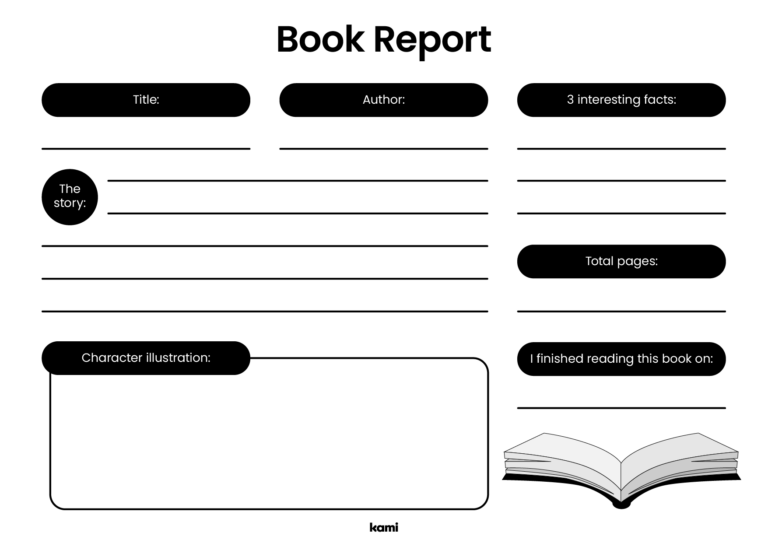

- Fiction book report
- Non-fiction book report
- Reading logs
- Character biography worksheet
- Reading progress worksheet log
- Book tracker
- Elementary book report
Remember!
Teaching kids to love to read opens a world of learning, curiosity, enrichment, and joy that can truly become a lifelong relationship. These reading strategies which you set up as a spring break reading challenge can help to create a solid foundation for a fun reading culture. Happy reading!
Blogs you may also like

Stop Asking AI to Brainstorm for you…and other AI in Education Tips and Tricks

A classroom pen pal program that connects your students to the world
What to bring to your next CTE advisory board meeting | Kami